
AI in video editing
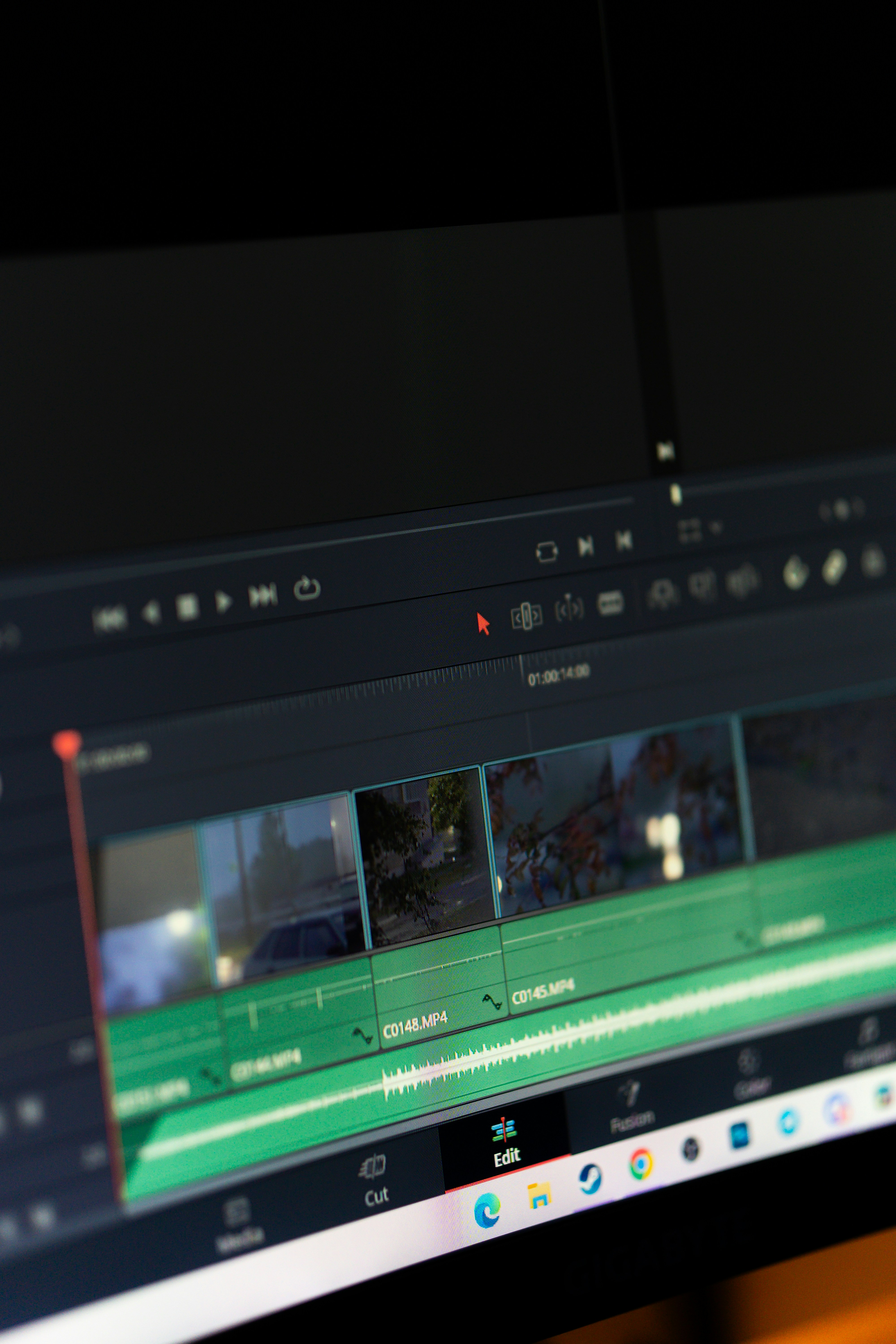
Introduction to AI in Video Editing
Artificial Intelligence (AI) has become a transformative force across numerous industries, fundamentally changing the way tasks are executed and streamlining workflows. In the realm of video editing, AI technology is making significant strides, offering innovative solutions that enhance both creativity and productivity. As editorial processes grow increasingly complex, the need for efficiency and speed escalates, and this is where AI steps in to modernize the craft of video editing.
AI in video editing serves various functions, including automatic scene detection, content analysis, and even predictive editing, which can significantly reduce the time required for post-production. Through machine learning algorithms, these systems can familiarize themselves with editing patterns, ultimately personalizing the editing experience for users. This not only simplifies tasks but allows editors to focus more on the creative aspects of their projects rather than getting bogged down by technical details.
The historical context for integrating AI in video editing software can be traced back to the early implementations of basic algorithms that assisted with color correction and transitions. As technology advanced, AI gradually evolved into sophisticated tools capable of analyzing video content at an unprecedented level. Today’s software not only automates mundane tasks but also offers intelligent suggestions, enabling editors to explore new creative avenues and produce higher-quality outputs quicker than ever before.
As we delve deeper into the evolution of AI in video editing, it becomes crucial to recognize the ongoing impact this technology has on the creativity of video editors. From simple automated processes to complex systems that anticipate user needs, AI is not just a tool but an active collaborator in the video editing process, representing a significant leap forward in the industry.
A Brief History of Video Editing Software
Video editing has undergone significant transformation since its inception, reflecting the technological advancements of the times. The journey began in the 1920s when filmmakers utilized physical tape for manual editing. This involved physically cutting and splicing film footage, a process that was time-consuming and required a keen eye for detail. The advent of non-linear editing systems (NLE) in the late 20th century marked a paradigm shift, enabling editors to manipulate video sequences with ease and flexibility. Software such as Avid Media Composer, introduced in 1989, revolutionized the industry, allowing for the seamless integration of video, audio, and special effects.
As technology progressed, digital editing solidified its position in the filmmaking process. In the late 1990s and early 2000s, software like Adobe Premiere Pro and Final Cut Pro emerged, democratizing video editing by making sophisticated tools accessible to a broader audience. This era gave birth to a new wave of content creators, from independent filmmakers to aspiring YouTubers, all harnessing the power of digital software to tell their stories. The transition from analog to digital opened the doors for innovations in editing capabilities, including real-time editing and easier collaboration among multiple users.
With the dawn of the 21st century, software developers began to explore the integration of Artificial Intelligence in video editing tools. AI technology brought forth features such as automated editing, facial recognition, and smart tagging, thereby streamlining workflow and enhancing creative possibilities. As we witness the convergence of creativity and technology, AI has become an integral component in video editing software, enabling editors to focus more on the artistic aspects of filmmaking while relinquishing repetitive tasks to machines. The ongoing evolution of video editing software suggests a promising future where technology continues to redefine the landscape of media production.
The Role of AI in Modern Video Editing
The integration of artificial intelligence (AI) in video editing software has significantly transformed the landscape of video production, enhancing both the creative process and editing efficiency. One of the most notable applications of AI is in automated video tagging, which enables the software to analyze and categorize content based on predefined parameters. This functionality simplifies the organization of footage, allowing editors to locate specific clips quickly, thereby saving time and effort during the editing process.
Another essential feature driven by AI is smart color correction. Traditionally, color correction was a meticulous and time-consuming task requiring a trained eye. AI algorithms now assess the lighting and colors within a scene, automatically making adjustments to ensure visual harmony. This not only improves the overall aesthetic appeal of the video but also allows creators to focus more on storytelling rather than technical details.
Intelligent scene detection is another groundbreaking advancement enabled by AI. This feature provides the ability to segment video footage into distinct scenes, making it easier for editors to pinpoint critical moments within their project. By recognizing transitions between scenes, AI not only streamlines the editing process but also assists in maintaining narrative coherence, which is vital for engaging storytelling.
Facial recognition technology is yet another pioneering application of AI in video editing. This tool assists editors by identifying and tagging individuals in footage, thereby facilitating personalized edits or creating compilations featuring specific people. Such capabilities further enhance user experience, making video editing more intuitive and efficient.
In summary, the incorporation of AI in modern video editing software serves as a catalyst for innovation, providing tools that elevate the editing process. These technological advancements not only empower creators to collaborate on projects more effectively but also push the boundaries of creativity, ultimately leading to more compelling visual narratives.
Benefits of Using AI-Powered Editing Tools
The integration of artificial intelligence (AI) into video editing software has revolutionized the industry, providing numerous advantages for professionals and amateurs alike. One of the most significant benefits is the marked improvement in productivity. AI algorithms can analyze footage and automatically apply suitable edits based on aesthetic and technical criteria, allowing editors to focus on more creative tasks rather than mundane processes. This aspect not only accelerates project completion times but also enhances the overall efficiency of the editing workflow.
Additionally, AI-powered editing tools incorporate time-saving features that are indispensable in today’s fast-paced media landscape. For instance, automatic scene detection enables editors to quickly locate key moments in unedited videos, reducing the time spent on manual navigation and selection. Furthermore, features such as Auto-Color Correction and Smart Filters simplify the process of achieving professional-level post-production results without requiring extensive time or technical proficiency.
These tools also assist in creative decision-making by offering personalized recommendations based on user preferences and established industry trends. For example, software equipped with machine learning capabilities can suggest edits that resonate with specific target audiences, enabling creators to tailor their content more effectively. Professionals working on high-stakes projects, such as marketing campaigns or social media content, can particularly benefit from these insights to maximize engagement and impact.
Real-world applications are evident in the way filmmakers and content creators employ AI-driven tools. For instance, platforms like Adobe Premiere Pro have introduced features that harness AI to automate tedious tasks, allowing creators to allocate their time and resources toward storytelling and artistic elements. Such innovations underscore the transformative impact of AI on video editing, facilitating a creative environment where professionals can push boundaries and explore new possibilities in storytelling.
Challenges and Limitations of AI in Video Editing
The integration of AI technologies into video editing software has undoubtedly transformed many aspects of the editing process. However, this evolution does not come without its challenges and limitations. One major concern revolves around creative control. While AI can automate repetitive tasks, it may inadvertently limit a human editor’s ability to infuse their unique stylistic choices into a project. The subjective nature of creativity is difficult for algorithms to fully grasp, leading some professionals to feel that they are forfeiting their artistic input to automated systems.
Furthermore, the accuracy of AI algorithms is another significant issue. Although advancements in machine learning have improved AI capabilities, errors can still occur. For instance, an AI tool may misinterpret the intended tone of a scene, causing mismatched edits that can disrupt the narrative flow. This lack of precision can be problematic, especially in projects where emotional resonance is crucial. Relying solely on AI for these intricate decisions can ultimately compromise the quality of the final product.
Another pressing challenge is the potential over-reliance on technology. As video editing software becomes increasingly sophisticated, there is a risk that editors may depend too heavily on AI features rather than honing their traditional skills. This shift could lead to a decline in the quality of craftsmanship and a loss of essential editing techniques among emerging professionals. Maintaining a balance between leveraging AI tools and preserving manual editing skills is essential for the industry’s growth.
Lastly, there is the question of preserving an artistic touch in an era dominated by automation. While AI can offer efficiency and speed, the distinct touch that comes from human creativity is irreplaceable. As the video editing landscape continues to evolve, addressing these challenges will be crucial in ensuring that technological advancements enhance rather than hinder the creative process.
The Future of AI in Video Editing
The landscape of video editing is on the brink of significant transformation due to the rapid advancements in artificial intelligence (AI). As technology continues to evolve, the future of AI in video editing software will likely bring a myriad of innovations that not only enhance creativity but also redefine the role of the video editor. Emerging trends suggest that AI will become increasingly integrated into various aspects of the editing process, streamlining workflows and enhancing artistic expression.
One emerging trend is the development of smart editing tools powered by AI algorithms that can analyze footage and suggest optimal edits. These tools will facilitate a more intuitive user experience by enabling creators to focus on storytelling rather than getting bogged down by technical details. For example, AI could assist in color grading, scene recognition, and audio synchronization, drastically reducing the time needed for these labor-intensive tasks. Additionally, the anticipated rise of automated content creation features may lead to the production of high-quality videos with minimal human intervention.
Another major development may involve the user interface, which is expected to become increasingly user-friendly. Innovative interfaces leveraging AI could provide personalized recommendations based on the user’s editing style and preferences. This could create a tailored experience that allows both amateurs and professionals to navigate complex editing tasks with ease. Furthermore, AI could enable real-time collaboration among team members, allowing editors to work simultaneously on projects from different locations.
As these advancements unfold, the role of video editors may also shift. The focus will likely move towards conceptualizing and directing the narrative rather than traditional technical editing skills. This evolution could empower video editors to become more creative and strategic in their approach, ultimately leading to a new era in content creation driven by artificial intelligence.
Key Players in AI Video Editing Software
As artificial intelligence continues to shape the landscape of video editing, several key players have emerged, leading the development and innovation in this dynamic field. Among the most notable companies is Adobe, renowned for its Creative Cloud suite, which integrates AI capabilities through Adobe Sensei. This technology automates mundane tasks, enhances color correction, and offers intelligent features such as auto-reframing, making video editing more efficient and user-friendly.
Another significant contributor is Blackmagic Design, known for its DaVinci Resolve software. Their application leverages AI to transform the color grading process, allowing users to achieve high-quality results with minimal effort. The facial recognition and object tracking features add a layer of sophistication, enabling editors to focus on creative storytelling rather than technical constraints.
Furthermore, companies like Magisto and Filmora are pushing the envelope by incorporating AI-driven tools tailored for both amateur and professional videographers. Magisto specializes in automating video creation through smart editing algorithms that analyze footage and assemble it into polished stories, while Filmora offers features like smart cut, which detects pauses and removes unnecessary footage seamlessly. These solutions appeal to consumers looking for quick, yet effective ways to produce engaging video content.
Additionally, startups like Lumen5 and Pictory are redefining video content creation by utilizing AI to facilitate the transformation of text into compelling videos. These platforms empower marketers and content creators with tools that streamline the editing process, emphasizing accessibility to users regardless of their technical expertise.
In a market full of options, users now have diverse choices that cater to varying levels of expertise and specific editing needs. The continuous advancements from these key players not only enhance efficiency but also empower creativity in video production.
Case Studies: Success Stories in AI Video Editing
The integration of artificial intelligence into video editing software has considerably transformed the filmmaking landscape. Numerous filmmakers, content creators, and agencies have successfully utilized AI-driven tools to enhance their projects. One notable case is the collaboration between a small production company and an AI video editing software platform that optimized the editing process for a short film. This project saw a dramatic reduction in editing time, allowing the filmmakers to focus more on storytelling and less on technical constraints. The AI-assisted features streamlined color correction, sound mixing, and even automated the initial cuts based on pre-defined criteria, resulting in an impressive finished product that received acclaim at various film festivals.
Another compelling example is that of an advertising agency that adopted AI technology for producing promotional content. By leveraging AI video editors, the agency was able to analyze large amounts of footage and automatically generate multiple versions of their advertisements tailored for different demographics. The tool not only helped maintain brand consistency but also ensured that the content was optimized for various digital platforms. This adaptability allowed the agency to increase its outreach significantly and improved client engagement through personalized ads.
In the realm of social media, influencers and content creators have also benefitted from AI video editing solutions. One such creator utilized an AI tool that suggested styles, cuts, and even background music based on trending topics and audience preferences. As a result, the creator experienced a surge in engagement and followers. The ability of AI to analyze real-time metrics and offer valuable insights aided in crafting more resonant content, ultimately leading to an enhanced viewer experience.
These case studies illustrate how AI video editing software not only streamlines the editing process but also fosters creativity. By improving efficiency and providing data-driven recommendations, these tools empower creators to produce higher-quality content while reducing the time and effort required in traditional editing practices.
Conclusion: Embracing the AI Revolution in Video Editing
As the landscape of video editing continues to transform, it becomes increasingly clear that artificial intelligence is playing a pivotal role in enhancing creative possibilities. Throughout this discussion, we have highlighted the advancements in AI technology that streamline workflows, improve editing accuracy, and assist in the automation of repetitive tasks. By incorporating intelligent algorithms and machine learning, video editing software is not only becoming more accessible but also more powerful, allowing users to focus on their creative vision rather than getting bogged down by technical details.
The AI revolution in video editing is marked by tools that can analyze footage, suggest edits, and even create content with minimal user intervention. This shift empowers creators to experiment with new styles and techniques, enabling them to push the boundaries of their artistry. With features such as automated color correction, scene detection, and tailored editing suggestions, editors can now produce high-quality videos in a fraction of the time it once took, ultimately enhancing their creative output.
Moreover, embracing AI technology in video editing is not just about efficiency; it’s also about unlocking potential. By leveraging intelligent tools, video professionals and enthusiasts can cultivate new skills and expand their artistic capabilities. As these advancements continue to improve, it is crucial for creators to remain open to learning and adapting to new technologies. The integration of AI can lead to innovative storytelling methods, allowing editors to craft engaging narratives that resonate with audiences on deeper levels.
In summary, the evolution of AI in video editing software is reshaping the industry, making it essential for creatives to embrace these tools. By exploring and integrating AI solutions into their workflows, users can not only enhance their efficiency but also enrich their creative experiences, paving the way for a future where technology and artistry coexist harmoniously.